South Eastern Kenya University (SEKU) wishes to inform its graduands that the 11th Final Graduation List 2026 is now available for review.

News and Events
2026/2027 Student Elections: Cleared SGC and ECR Candidates
Final clearance list – 19th October 2026
Below are the candidates cleared to contest in the 2026/2027 Student Governing Council (SGC) elections and the candidates cleared as Electoral College Representatives (ECR). Candidates are listed as they appear on the final clearance list.
A. Cleared SGC Candidates
| S/N | Reg No | Name |
|---|---|---|
| CHAIRPERSON/VICE CHAIR | ||
| 1 | E122/2532/2024 | MUTUNGA EMMANUEL MWENDWA |
| L161/2151/2024 | WAMALWA PRAISE NANYAMA | |
| 2 | G126/1543/2024 | NGESA DENNIS ODHIAMBO |
| K153/1964/2024 | CYNTHIA CHELANGAT | |
| SECRETARY GENERAL | ||
| E121/2608/2024 | HEZRON OGUTU OMBATI | |
| K152/1908/2024 | WANJALA BRIGHTON MUKHWANA | |
| E121/0885/2024 | ABDEL KIPKOECH RONOH | |
| ACADEMIC SECRETARY | ||
| L161/2145/2024 | JAMES SIFUNA MUKHAMARI | |
| E121/2398/2024 | ANTHONY KIMUTAI CHESANG | |
| E121/1001/2024 | OGENDI KEVIN OMONDI | |
| SOCIAL WELFARE | ||
| K153/1968/2024 | LEMENE CONNIE NAPERIAN | |
| E121/0554/2024 | EUNICE MUSANGI KALUNDU | |
| K153/1958/2024 | LEKINO SILVESTA PENINA | |
| TREASURER | ||
| E122/1156/2024 | BEATRICE VAATI NYAMAI | |
| L161/2651/2025 | BEA BIANCHER ADHIAMBO | |
| K152/1795/2023 | BONYI NYABOKE CYNTHIA | |
| SATELLITE CAMPUS REPRESENTATIVE | ||
| H147/1622/2023 | ALEX FERGUSON | |
| H128/2238/2023 | SIMON MUTHAMA | |
| D115/0280/2024 | WANJIRU JESKA | |
Note: for Chairperson / Vice Chairperson, each number is one ticket – the first name is the Chairperson and the second is the Vice Chairperson.
B. Cleared Electoral College Representative (ECR) Candidates
Candidates are arranged by school and department.
Department of Agricultural Sciences
| S/No | Reg No | Name |
|---|---|---|
| 1 | A107/0013/2024 | ENOCK KIPKOECH |
| 2 | A107/0034/2023 | FAITH JEROTICH |
| 3 | A107/0031/2025 | MUNYAO BONIFACE WAMBUA |
| 4 | A107/2827/2025 | MUSYOKA SIMON MUOKA |
| 5 | A107/1269/2025 | ARON KIPKORIR RONO |
| 6 | A107/2220/2023 | AMOS KETER KIPYEGON |
| 7 | A107/1764/2025 | MARTIN MUGENDI |
| 8 | A107/3227/2025 | SYLVIA MOSES NYABOKE |
Department of Environmental Science and Land Resources Management
| S/No | Reg No | Name |
|---|---|---|
| 1 | B146/0085/2025 | LUVUNO CHIRUNGA MWACHONDO |
| 2 | B146/0088/2025 | JOSHUA AGAPE |
| 3 | B109/0047/2023 | OTIENO CELINE AWUOR |
Department of Hydrology and Aquatic Sciences
| S/No | Reg No | Name |
|---|---|---|
| 1 | J139/2416/2025 | PETER CHACHA HANANIA |
| 2 | J139/2414/2025 | ROBERT MOKAYA ALELUYA |
School of Business and Economics
Department of Business and Entrepreneurship
| S/No | Reg No | Name |
|---|---|---|
| 1 | D115/0280/2024 | WANJIRU JESKA MWETHYA |
| 2 | D115/0285/2024 | PNGEI DANSON MUSYOKI |
| 3 | D115/0286/2024 | SIMON MUSILI MWANDIKWA |
| 4 | D115/0314/2024 | LEAH LEINA LESO |
| 5 | D115/0614/2025 | ROSE JANUARIES KIOKO |
| 6 | D115/0627/2025 | JOSEPHINE OGOLA NAMUKHULA |
| 7 | D115/0637/2025 | FIDELIS MUTINDA |
| 8 | D115/2523/2024 | SHEILA KHAMISAVU AMAYI |
| 9 | D120/0717/2025 | IRENE MBULA NYAMASYO |
Department of Economics
| S/No | Reg No | Name |
|---|---|---|
| 1 | D117/0329/2024 | PETER NBIBARU KEREIYAN |
| 2 | D117/0339/2024 | FAITH NDUKU KIVINDU |
| 3 | D117/1238/2022 | DANIEL MUTUA MUTHIANI |
Department of Management Science
| S/No | Reg No | Name |
|---|---|---|
| 1 | D119/0346/2024 | MERCY MUTHEU WAMBUA |
| 2 | D119/0403/2023 | AMBROSE TWARARI LULUNKEU |
| 3 | D119/0677/2025 | LOTIAN NATHAN NGIKITO |
| 4 | D119/2674/2024 | GLADYS MOLLY OTIENO |
School of Education
Department of Educational Communications and Technology
| S/No | Reg No | Name |
|---|---|---|
| 1 | E122/0758/2025 | MUSYOKA BRIGID NZULA |
| 2 | E122/1069/2024 | JANE MAGOMA ONCHIRI |
| 3 | E122/1081/2023 | ISAAC MWAMI |
| 4 | E122/1110/2024 | MUTUA STEPHEN MUSYOKA |
| 5 | E122/1186/2024 | SAWAYA LEKIPAIKA |
| 6 | E122/1229/2024 | DEBORAH UMAZI DZOMBO |
| 7 | E122/1268/2023 | SAMWEL ONGERI MAGATI |
| 8 | E122/1309/2023 | FRANKLIN KEBASO NYABONGOYE |
| 9 | E122/1424/2024 | FRANKLINE MUKHWANA MUFWINYI |
| 10 | E122/1658/2025 | MIRIAM NYAMBURA KARIUKI |
| 11 | E122/1672/2025 | BETHWEL MBUGUA MURAYA |
| 12 | E122/1730/2025 | WILLIAM KASYOKA |
| 13 | E122/1754/2025 | FAITH MWONGELI MUINGI |
| 14 | E122/1790/2025 | ERIC MUTISYA MUIA |
| 15 | E122/1805/2025 | CLEMENTINE KYALO |
| 16 | E122/1810/2025 | EMMACULATE MAWIA MUSYIMI |
| 17 | E122/1825/2025 | FRANCES NTHENYA |
| 18 | E122/1908/2025 | MERCY CHEPNGETICH |
| 19 | E122/1943/2025 | BENSINE CHEPNGENO |
| 20 | E122/1945/2025 | RICHARD WAHABA GACHUHI |
| 21 | E122/1990/2025 | JETHRO KIPKIRUI KORIR |
| 22 | E122/2044/2025 | EDWIN KIPRUTO KEMBOI |
| 23 | E122/2055/2025 | JUMA IAN NDOLO |
| 24 | E122/2063/2025 | DANIEL OSENDO |
| 25 | E122/2067/2025 | VICTOR WERE WAMALWA |
| 26 | E122/2068/2025 | RUTH KEMBOI |
| 27 | E122/2101/2025 | AOMO MAXWELL OTIENO |
| 28 | E122/2103/2025 | OJOGO BYDEANCE OCHIENG |
| 29 | E122/2116/2025 | WILSON ONYANGO |
| 30 | E122/2134/2025 | AGNES NYABAIKOMA MWERA |
| 31 | E122/2439/2024 | MULI GERALD |
| 32 | E122/2587/2024 | KIPKIRUI NGENO BISMARK |
| 33 | E122/2628/2024 | ALII MWIKALI MERCY |
| 34 | E122/2657/2024 | PROMINA NZEMBI PHILIP |
| 35 | E122/2930/2025 | MORARA JULIUS NYARIKI |
| 36 | E122/3013/2025 | OLABURRA ANDREW SANG'IDA |
| 37 | E122/3025/2025 | BARASA EZEKIEL WANYONYI |
| 38 | E122/3028/2025 | BARASA MUTEVESI |
| 39 | E122/3038/2025 | SHADRACK WASONGA OUMA |
| 40 | E122/3204/2025 | STEPHEN MWENDWA WAMBUA |
| 41 | E122/1441/2024 | KEVIN KIMUTAI RONO |
| 42 | E122/1440/2024 | VICTOR KIBET |
Department of Educational Foundations (B Ed Arts)
| S/No | Reg No | Name |
|---|---|---|
| 1 | E121/0459/2024 | RUTH WANZA MASAI |
| 2 | E121/0482/2024 | KIOKO JAMES |
| 3 | E121/0595/2024 | COSMAS MWAKA MBUVI |
| 4 | E121/0644/2024 | CRISPUS MUTETI MUNYAO |
| 5 | E121/0667/2024 | BENSON MUUO JIMMY |
| 6 | E121/0678/2024 | MUTILE BERITA MUNYIVA |
| 7 | E121/0681/2024 | KIVUVA MESHACK MUNYAO |
| 8 | E121/0761/2024 | JUDITH CHEPNGENO |
| 9 | E121/0832/2025 | MAKENZI DANSON NGUMBAU |
| 10 | E121/0838/2025 | MARY MUTHEU NDINDA |
| 11 | E121/0862/2025 | WINFRED MWORE |
| 12 | E121/0876/2025 | GEORGE KITALI |
| 13 | E121/0928/2025 | CHRISTINE NTHAMBI KIOKO |
| 14 | E121/0941/2025 | DAVID KIOKO ISIKA |
| 15 | E121/1028/2024 | DAISY NAANYU OLOSOKON |
| 16 | E121/1050/2025 | MUMBUA PURITY MUTHEU |
| 17 | E121/1057/2025 | KYALO FRANCIS MATEI |
| 18 | E121/1063/2025 | NAOMI NDANU NZAVALI |
| 19 | E121/1101/2025 | MERCY KEMBOI |
| 20 | E121/1261/2025 | KIRAMBA ELIUD LELIMOO |
| 21 | E121/1345/2025 | LAURA JEPYEGON |
| 22 | E121/1348/2025 | ANITA JEPCHIRCHIR KIPROTICH |
| 23 | E121/1370/2025 | OMUSE MARK WAMALWA |
| 24 | E121/1374/2025 | JOAN NABWILE WANJALA |
| 25 | E121/1395/2025 | WANJALA TRACY NAMBUKO |
| 26 | E121/1428/2025 | SHIRLEEN NYANCHAMA NYAORA |
| 27 | E121/1433/2025 | OBED OMAE GETARO |
| 28 | E121/1531/2025 | PASCAL OKINYI ONDIALA |
| 29 | E121/1587/2025 | ORIOKI NYAKUNDI JOSHUA |
| 30 | E121/1593/2025 | MOTANYA ROBERT MAGANGA |
| 31 | E121/1610/2025 | CLINTON OMONDI |
| 32 | E121/1619/2025 | MAHIRI DAVID WAMBURA |
| 33 | E121/1632/2025 | VINCENT OKOTH OLUOCH |
| 34 | E121/1635/2025 | VIONE AKINYI OTIENO |
| 35 | E121/1638/2025 | DEBRA CHEPKIRUI |
| 36 | E121/2263/2023 | KEVIN KIPLANGAT MARK |
| 37 | E121/2357/2024 | ANDREW ODHIAMBO |
| 38 | E121/2373/2024 | LUCY NYABOKE |
| 39 | E121/2806/2025 | CAROLINE MBATHA MUTINDA |
| 40 | E121/2900/2025 | NAOMI MOLLA AKUNGWI |
| 41 | E121/2901/2025 | DICKSON ODHIAMBO |
| 42 | E121/2977/2025 | BRIAN KORIR |
| 43 | E121/2985/2025 | MOMANYI OBARA BRILY |
| 44 | E121/3099/2025 | BARMAO FESTUS KIBET |
| 45 | E121/3145/2025 | FELIX MARO |
| 46 | E121/3165/2025 | LIVINGSTONE AFWELI |
| 47 | E121/3193/2025 | KEIWUA PARMARI SIMON |
| 48 | E121/3212/2025 | LFAMI MOSES |
| 49 | E121/3226/2025 | SYLVESTER RONO |
| 50 | E121/0280/2023 | CALEB OKWARE |
| 51 | E121/0955/2025 | KYALO MONICA MUBLA |
| 52 | E121/1304/2025 | LILIAN KIPRUTO |
| 53 | E121/1562/2025 | OMONDI PETER OCHIENG |
| 54 | E121/2846/2025 | LABAN MUSUDIA |
| 55 | E121/3151/2025 | OGOTI DICKSON MORANGA |
| 56 | E121/3154/2025 | EMMANUEL ONYANGO BARNABAS |
School of Engineering and Technology
Department of Agricultural and Biosystems Engineering
| S/No | Reg No | Name |
|---|---|---|
| 1 | K155/2058/2024 | MWANIKI ANGELINE MUTHEU |
| 2 | K155/2059/2024 | NICHOLAS MUSYOKA |
| 3 | K155/1906/2023 | TIMOTHY NGUMBAU |
| 4 | K155/1910/2023 | KELVIN GISEMBA ONDIEKI |
Department of Civil, Construction and Environmental Engineering
| S/No | Reg No | Name |
|---|---|---|
| 1 | K152/2482/2025 | LARRY RIGHT CLERIC |
| 2 | K152/2463/2025 | ACHOLLA MERCY AKINYI |
| 3 | K152/2884/2025 | OUMA BILLY FRANK |
| 4 | K152/2471/2025 | OMOLLO JOHN.Q OCHIENG |
| 5 | K152/2443/2025 | WANAMI MASINDE |
| 6 | K152/2442/2025 | BARAKA KANYI |
| 7 | K152/1893/2024 | DANIEL KULA MBUVI |
| 8 | K152/2601/2024 | KWEMBOI LYNUS NDIWA |
| 9 | K152/2447/2025 | ESTHER NYAMISA |
| 10 | K152/1910/2024 | DISMAS KIPTUM ROTICH |
| 11 | K152/2465/2025 | KENNEDY OTIENO |
| 12 | K152/1791/2023 | STEPHEN OCHIENG |
| 13 | K152/2562/2024 | MILTON KIPGOGEI |
Department of Electrical, Electronic and Information Engineering
| S/No | Reg No | Name |
|---|---|---|
| 1 | K153/2770/2025 | OMONDI RIGAN ODUOR |
| 2 | K153/2940/2025 | MIGONO LAVENDA RUTH |
| 3 | K153/1956/2024 | GLORIA MWENDE MUTUA |
| 4 | K153/1827/2023 | NABANGALA BEATRICE NANJALA |
| 5 | K153/2494/2025 | WANYIKI MARIA KABETE |
| 6 | K153/2531/2025 | BRAMWEL CHECOTI WEKESA |
| 7 | K153/2565/2024 | CHEMUTAI SYLVIA KIGET |
| 8 | K153/2545/2025 | NYABUTO JOSEPH MACHAGE |
| 9 | K153/2538/2025 | ENOCK CYNTHIA |
| 10 | K153/2516/2025 | KIPROTICH BRIAN |
Department of Mechanical and Manufacturing Engineering
| S/No | Reg No | Name |
|---|---|---|
| 1 | K154/2595/2025 | DERICK JUMA AROGO |
| 2 | K154/2563/2025 | LOYCE GORDON ANYANGO MAUA |
| 3 | K154/2603/2025 | TREVIN GASTONE AUTE |
| 4 | K153/2530/2025 | EZRA WAFULA |
| 5 | K154/2581/2025 | ROSEMARY NJOKI WANDERI |
| 6 | K154/2565/2025 | WAFULA ALLAN |
| 7 | K154/2588/2025 | FERNANDOS WAFULA WASIKE |
| 8 | K154/2592/2025 | EMMANUEL OGARI NGAKORI |
| 9 | K154/2591/2025 | CLINTON MOKAYA SIKO |
Department of Textile and Industrial Engineering
| S/No | Reg No | Name |
|---|---|---|
| 1 | K151/1736/2023 | SHALLINE JEROP KIPKORIR |
| 2 | K151/1740/2023 | BRIGID CHEPKORIR |
| 3 | K151/2369/2023 | OBURAH MAYTABEL ACHIENG |
| 4 | K151/1744/2023 | MARY WANJOGO MONYANCHA |
| 5 | K151/1739/2023 | AWINJA EVERLINE |
School of Health Sciences
Department of Food Science, Nutrition and Technology
| S/No | Reg No | Name |
|---|---|---|
| 1 | H103/0007/2023 | MUTHENGI AUSTINE MUCHANGO |
| 2 | H103/0008/2023 | SAMMY LOYTIBIR ILBILICH |
Department of Medical Laboratory
| S/No | Reg No | Name |
|---|---|---|
| 1 | H147/1770/2024 | DENNIS KISARI |
| 2 | H147/1787/2024 | ODHIAMBO OSTINE OTIENO |
| 3 | H147/2345/2025 | KIRISWA EMMANUEL NDIEMA |
| 4 | H147/2350/2025 | JOB CHRIS |
| 5 | H147/2351/2025 | HELLEN JUMA AKOTH |
Department of Nursing Sciences
| S/No | Reg No | Name |
|---|---|---|
| 1 | H142/2260/2025 | MUCHELULE OMUKUYIA |
| 2 | H142/2286/2025 | VICTOR NAMOSO IBANDA |
| 3 | H142/2289/2025 | JOHN SIFUNA BARASA |
| 4 | H142/2291/2025 | SHANIZE EDITH CHAVULA |
| 5 | H142/1706/2024 | DENIS KIPLANGAT |
| 6 | H142/1710/2024 | SHARON CHEPKORIR |
| 7 | H142/2271/2025 | ERICK OKOTH OYUGI |
| 8 | H142/2297/2025 | JULIUS OTIENO |
| 9 | H142/2302/2025 | ODHIAMBO CECIL MILLER |
Department of Public Health
| S/No | Reg No | Name |
|---|---|---|
| 1 | H128/0011/2023 | KIPKOMOI DARIUS |
| 2 | H128/1623/2024 | BRAMUEL NDAMWE |
| 3 | H128/1624/2024 | WASIKE AUGUSTINE |
| 4 | H128/1630/2024 | EVY LIONA SISA |
| 5 | H128/2417/2023 | RABBECA EVE |
| 6 | H128/3020/2025 | DAVID PARSELELA SAITOTI |
| 7 | H128/3231/2025 | ARIANA KAMALI CHARO |
| 8 | H148/1636/2023 | MATHEW MALMALO LEKIPIR |
| 9 | H148/1659/2023 | SAMUEL ODHIAMBO |
School of Humanities and Social Sciences
Department of Geography, History and Religious Studies; Sociology Anthropology and Community Development
| S/No | Reg No | Name |
|---|---|---|
| 1 | C114/0502/2025 | OGINGA SAMWEL OCHIENG |
| 2 | C114/0268/2023 | JONATHAN KIPNGOT SHOLOLO |
| 3 | C114/0498/2025 | EMMANUEL WAWAMI LIAMBILA |
| 4 | C157/0590/2025 | EDWARD OWITI WERE |
| 5 | C114/0517/2025 | ONYANGO JOAN AMONDI |
| 6 | C113/0102/2023 | PAUL WINNIE MUOTI |
| 7 | C113/0168/2025 | MUTATI MBATHI |
| 8 | C114/0099/2024 | MICHAEL MUMO NGUMBI |
| 9 | C157/0549/2025 | VICTOR MUEMA MUSENYA |
| 10 | C114/0254/2025 | KIVUNZI DISMUS MUNYOKI |
| 11 | C114/3068/2025 | MWANGANGI MERCY MUTETHYA |
| 12 | C113/0038/2024 | GERALD GITAHI |
| 13 | C114/0157/2024 | EDISON NTHALE NDAMBUKI |
| 14 | C114/0521/2025 | STEPHEN BARASA SIMIYU |
| 15 | C114/0416/2025 | EBILON SIMIYU |
| 16 | C157/0594/2025 | WASONGA MARION AKINYI |
| 17 | C114/0227/2024 | KIPTUM HILDA JELIMO |
| 18 | C114/0230/2024 | DENNIS KIPCHUMBA KOECH |
| 19 | C114/0271/2023 | BOWEN JEPKAITANY MERCY |
| 20 | C114/0140/2025 | REBECCA SILOLE SADIRA |
| 21 | C113/0058/2024 | LENTITIYIO BENSON |
| 22 | C114/0464/2025 | SARIJORE EZEKIEL SEYIANI |
| 23 | C157/0592/2025 | MORGAN PHILIP OTIENO |
| 24 | C113/0591/2025 | AUSTINE OTIENO OLOO |
| 25 | C113/0226/2025 | MOLLY AKINYI ODHIAMBO |
| 26 | C114/2336/2024 | KELVIN MUSEMBI |
School of Law
Department of Commercial Law
| S/No | Reg No | Name |
|---|---|---|
| 1 | L161/2615/2025 | RICHARD MWAURA KIMANI |
| 2 | L161/2698/2025 | BONIFACE NYABOGA ONDARI |
| 3 | L161/2693/2025 | EUGENE ADWA NGONDO |
| 4 | L161/2692/2025 | WASIKE JOHN WEKESA |
| 5 | L161/2691/2025 | REAGAN OYUGI |
| 6 | L161/2669/2025 | JOY JOE |
| 7 | L161/2650/2025 | PATIENCE SABINA OGERO |
| 8 | L161/2687/2025 | EMMANUEL ENGAITA |
| 9 | L161/2776/2025 | MAYEKU STEPHEN BARASA |
| 10 | L161/2092/2024 | PATIENCE HELLEN NYIVA |
| 11 | L161/2155/2024 | ARNOLD OCHIENG' OTIENO |
| 12 | L161/2681/2025 | NYAMARI LYNN |
| 13 | L161/2713/2025 | FLORENCE URSULA ZAWADI |
| 14 | L161/2724/2025 | TEDD SMITH OGWENO |
| 15 | L161/2702/2025 | ENOCK ONDICHO |
| 16 | L161/2780/2025 | MULWA BENARD KITHEKA |
| 17 | L161/2658/2025 | FAITH CHEPCHIRCHIR |
| 18 | L161/2893/2025 | KELVIN KIPLIMO KEMBOI |
| 19 | L161/2715/2025 | SAMMY MACHECHE OCHOMBA |
| 20 | L161/2149/2024 | WILFRED WABOMBA |
| 21 | L161/2890/2025 | JACINTA NASICHA |
| 22 | L161/2775/2025 | PHILIS MERAB AKINYI |
| 23 | L161/2779/2025 | LEKENIT IVAN LTODOLUA |
| 24 | L161/2678/2025 | LIRU TRACY NAKHOMICHA |
| 25 | L161/2675/2025 | WEPOKHULU HABAKKOK JAMES |
| 26 | L161/2609/2025 | MAGDALENE WANJIKU |
| 27 | L161/2718/2025 | SOLOMON ATAKA |
School of Science and Computing
Department of Computer Science & Technology
| S/No | Reg No | Name |
|---|---|---|
| 1 | G127/2202/2025 | CHERUIYOT MUTAI DENNIS |
| 2 | G127/0458/2025 | EMMANUEL KIBET |
| 3 | G127/1583/2024 | RUTH HELLEN NGESA |
| 4 | G126/1365/2023 | KENNEDY NYAMAI MUSEMBI |
| 5 | G126/2154/2025 | TITO RUTH MWENDE |
| 6 | G126/2141/2025 | CHARLES ONG'AU MANGUA |
| 7 | G126/2153/2025 | KELVIN MOKAYA |
Department of Physical Sciences
| S/No | Reg No | Name |
|---|---|---|
| 1 | I130/1824/2024 | OKELLO GEOFFREY OUMA |
| 2 | I130/1818/2024 | AKELLO REUBEN OTIENO |
| 3 | I130/1692/2023 | CALVINCE ONYANGO ODHIAMBO |
| 4 | I130/1813/2024 | PETER MUNYAMBU NGULI |
| 5 | I130/1686/2023 | SIMON MUKHEBIARUNGA |
Department of Mathematics and Actuarial Science
| S/No | Reg No | Name |
|---|---|---|
| 1 | I135/1684/2021 | BENEDICT ONYANGO ONYANGO |
| 2 | I135/2382/2025 | MICHELLE JEROTICH TANUI |
| 3 | I135/2400/2025 | MICHAEL OWINO |
| 4 | I135/2395/2025 | JENIFER NTHUKA |
| 5 | I135/2293/2023 | CELESTINE KWAMBOKA |
C. SEKUSA Constitution
Read or download the official SEKUSA Constitution below.
| S/No | Document Name | File |
|---|---|---|
| 1 | SEKUSA Constitution | View / Download PDF |
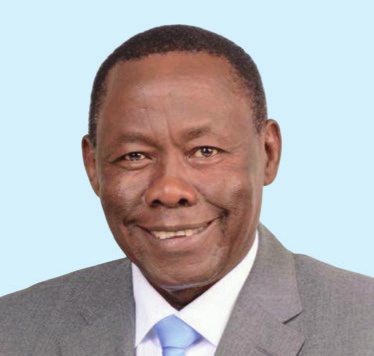 Pursuant to the South Eastern Kenya University Charter, 2013 Section III (22) (7) on conferment of honorary degrees and upon recommendation of the University Senate, the University has the pleasure to present Mr. David Wambua Masika to Kenyans and the international community for the award of Doctor of Humane Letters (L.H.D), (Honoris Causa) during the 13th University graduation ceremony to be held on Friday, 30th October, 2026.
The University Senate, in granting this award, observed that David Wambua Masika, born in 1950, has made extraordinary contributions to the real estate sector, and agricultural valuations, feasibility studies, and is an accomplished investor and entrepreneur, hence a distinguished expert and leader. He earned a Bachelor of Arts Honours degree in Land Economics from the University of Nairobi in 1975 and is a registered member of the Institute of Surveyors of Kenya and a licensed and registered valuer. In 2025, Mr. David Wambua Masika was named a National Hero in recognition of his exceptional contributions to entrepreneurship and industry in Kenya. He received the Order of Golden Heart (OGW) from the President in 2006 and was honored as a Fellow by the Institute of Surveyors of Kenya in 2026 for his exemplary service to the profession.
Mr. David Wambua Masika co-founded Lloyd Masika Ltd, one of the country's foremost firms in real estate valuation, agency, and property management. The company has overseen more than 1 million square feet of commercial space and over 800 residential units. Mr. David Wambua Masika has led valuation projects for some of the country's landmark buildings including Sarit Centre, The Mall (Westlands), Barclays Plaza, Telposta Towers, and several mixed-use developments.
Beyond his firm, Mr. David Wambua Masika has held key leadership positions and immensely contributed to community service as a board member of various schools and institutions, among them, Machakos Girls High School, Mwaani Girls High School, Good Shepherd Girls High School, and Ukamba Agricultural Institute (UKAI). He also served as a Council Member of South Eastern University College and South Eastern Kenya University.
Mr. David Wambua Masika has been a corporate leader and has served as Managing Director of Tana and Athi Rivers Development Authority, Managing Trustee of the National Social Security Fund (NSSF); and Chairman of Kenya Power & Lighting Company (KPLC), National Bank of Kenya (NBK), and Kenya Meat Commission (KMC). He has chaired Cheshire Disability Services (Kenya) and has been a Board Member of K-Rep Bank, Nairobi Hospital, and Pioneer Holdings Limited.
South Eastern Kenya University invites Kenyans and the international community to join us in celebrating this outstanding leader in real estate, corporate world and a selfless community leader who continues to give his service to the nation.
VICE-CHANCELLOR
- News and Events
Postponement Of The Vice-chancellor's Pre-run Session – SEKU Red Ribbon Marathon 2026
This is to inform all staff and students that the Vice-Chancellor's Pre-Run Session for the SEKU Red Ribbon Marathon 2026, initially scheduled for Thursday, 15th October 2026, has been postponed to Thursday, 22nd October 2026 due to the ongoing national strike.
All staff and students are requested to take note of the revised date and participate in the pre-run session in support of the national campaign against alcohol, drug and substance abuse, as the University prepares for the Red Ribbon Marathon scheduled for 31st October 2026.
Thank you.
PROF. FRANCIS N. WACHIRA PhD.
DEPUTY VICE CHANCELLOR – CORPORATE SERVICES
The Electoral Committee for the SEKUSA Elections 2026/2027 has released the following circulars. Please read them carefully and click on any title to open or download the PDF.
Key Dates
| Activity | Date & Time | Venue |
|---|---|---|
| Submission of nomination forms (ECR & SGC) | Wednesday, 14th October 2026 9:00 a.m. – 12:00 p.m. |
Main Campus: Office of the Dean of Students Satellite Campuses: Campus Directors' Offices |
| Electoral College Representatives (ECR) Election | Thursday, 29th October 2026 8:30 a.m. – 3:00 p.m. |
Main Campus: Tuition Block 1 (TBH) Kitui Campus: Room SKC 001 |
| Students Governing Council (SGC) Election | Monday, 9th November 2026 8:00 a.m. – 12:00 noon |
Main Campus: Boardroom, Research and Innovation Centre Kitui Campus: Room SKC 001 |
Note: Candidates must present a valid Student ID and/or National ID when submitting nomination forms.
Circulars
A. Electoral College Representatives (ECR)
- Declaration of Vacant Positions – Electoral College Representatives (ECR)
- Departmental Electoral Colleges for the 2026/2027 SEKUSA Elections
- Submission of Nomination Forms – ECR
- Election of Electoral College Representatives – Date and Venues
B. Students Governing Council (SGC)
- Declaration of Vacant Positions – Students Governing Council (SGC)
- Submission of Nomination Forms – SGC
- Election of the SEKUSA Students Governing Council – Date and Venues
C. General
D. Nomination Forms (Download)
Students Governing Council (SGC)
- Chairperson Nomination Form
- Vice Chairperson Nomination Form
- Secretary General Nomination Form
- Treasurer Nomination Form
- Academic Secretary Nomination Form
- Social Welfare Secretary Nomination Form
- Satellite Campus Representative Nomination Form
Electoral College Representatives (ECR)
Prof. Augustus Wali, PhD.
Chairperson, Electoral Committee for SEKUSA Elections 2026/2027
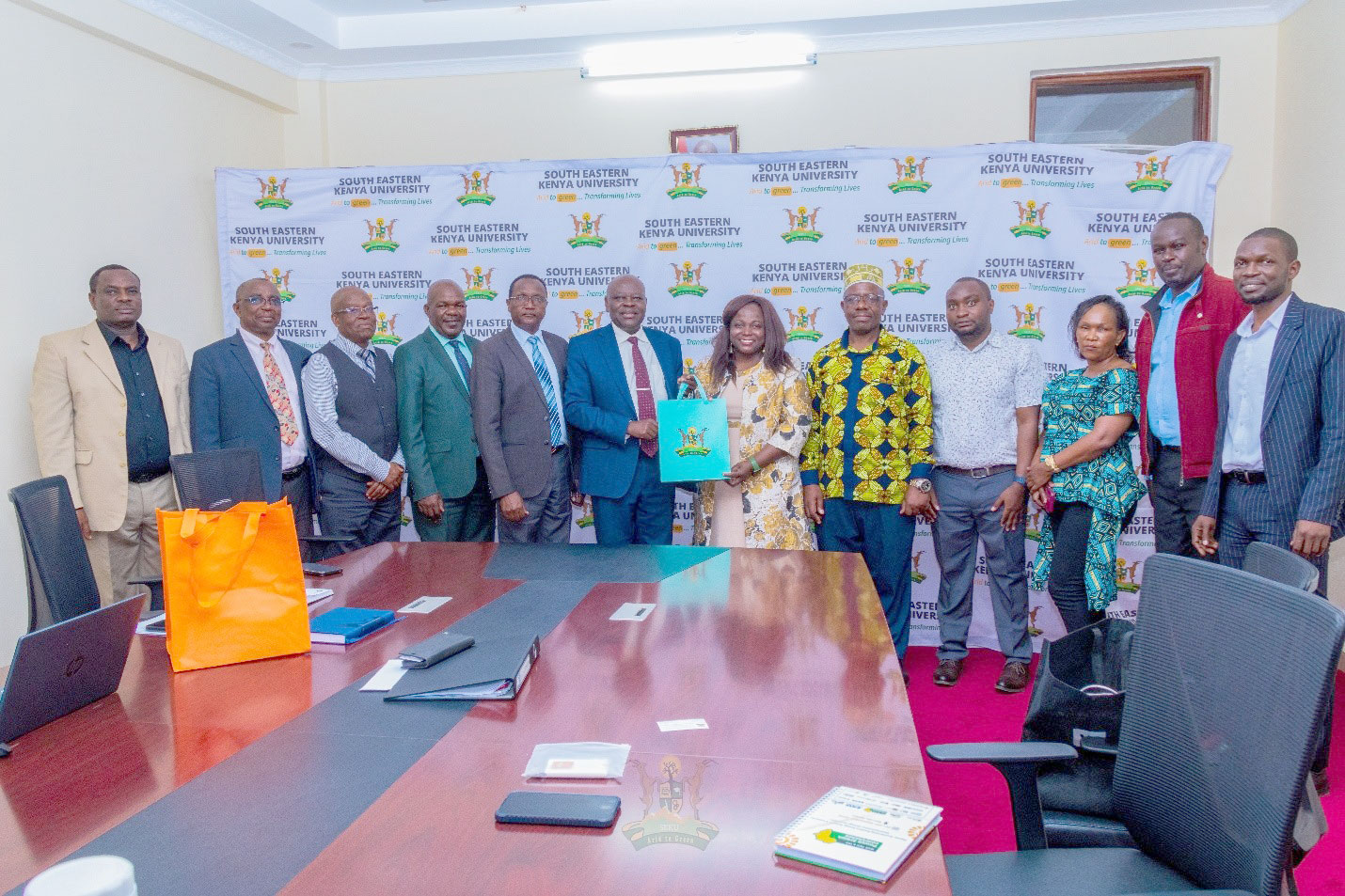
South Eastern Kenya University (SEKU) hosted an engaging public lecture on smart and sustainable energy systems, bringing together students, staff, alumni, industry partners and members of the public to explore emerging innovations shaping the future of energy and engineering.
The lecture featured Prof. Omowunmi Mary Longe, an Associate Professor at the University of Johannesburg, who delivered an insightful presentation on “Smart and Sustainable Power and Energy Systems Innovations for a Resilient and Electrified Future.”
Organised by the Department of Electrical, Electronics and Information Engineering, the public lecture provided an important platform for knowledge sharing, professional engagement and reflection on the rapidly evolving energy landscape. The session highlighted the growing need for innovative approaches to the generation, distribution and utilisation of energy in addressing emerging social, economic and environmental challenges.
Prof. Longe’s presentation explored the potential of smart technologies and innovative energy systems to support the development of resilient and sustainable societies. The discussions underscored the importance of embracing technological advancements while ensuring that energy solutions respond to the needs of diverse communities.
A key focus of the lecture was technical inclusivity, particularly the need to enhance the participation and contribution of Persons with Disabilities and Women in science, technology, engineering and energy-related fields. The discussions emphasised that the transition towards smarter and more sustainable energy systems should be inclusive, ensuring that different groups have opportunities to participate in education, research, innovation and the development of technological solutions.
The engagement also provided students with an opportunity to interact with contemporary ideas and perspectives from the international engineering community. Through such engagements, students are exposed to emerging trends in their areas of study, enabling them to connect classroom knowledge with real-world technological developments and challenges.
The presence of alumni, industry partners and members of the public further enriched the engagement by creating opportunities for collaboration and exchange of ideas between academia, industry and society. Such interactions are essential in strengthening partnerships that can support research, innovation, skills development and the practical application of engineering knowledge.
The public lecture is part of SEKU’s broader commitment to promoting teaching, research, innovation and community engagement. The University continues to provide platforms where scholars, professionals, students and other stakeholders can share knowledge and explore solutions to contemporary challenges facing society.
As the global demand for reliable, affordable and environmentally sustainable energy continues to grow, SEKU remains committed to nurturing a generation of innovative professionals equipped with the knowledge and skills required to contribute to a resilient, inclusive and technologically empowered future.
The University will continue to facilitate academic and professional engagements that promote knowledge exchange, strengthen partnerships and advance research and innovation in areas that contribute to sustainable development.

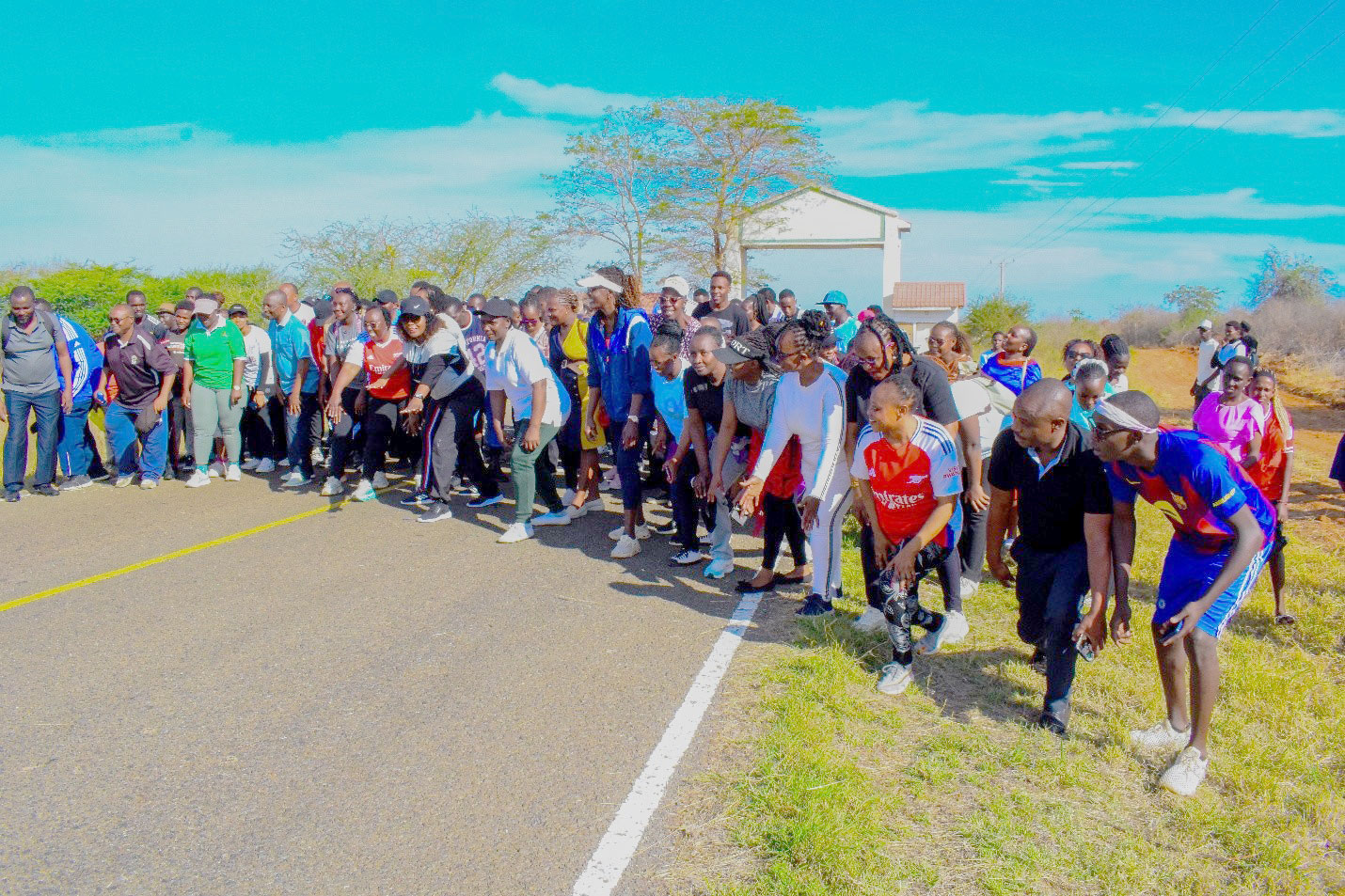
South Eastern Kenya University (SEKU) is set to host the SEKU Red Ribbon Marathon on 31st October 2026, bringing together students, staff, alumni and members of the public in a united campaign against drug and substance abuse.
Held under the inspiring theme, “Make a Difference, Be a Hero, Stay Drug Free,” the marathon seeks to raise awareness about the dangers of drug and substance abuse while promoting healthy lifestyles, personal responsibility and a drug-free society.
The event provides an opportunity for the SEKU community and the public to come together, not only for physical fitness, but also to champion a cause that continues to affect individuals, families and communities.
Drug and substance abuse remains a major challenge, particularly among young people. Through the Red Ribbon Marathon, SEKU seeks to empower participants to make positive choices and become ambassadors for a healthier and drug-free society.
The theme, “Make a Difference, Be a Hero, Stay Drug Free,” calls upon everyone to recognize that being a hero does not necessarily require extraordinary acts. Choosing to stay drug free, encouraging others to make healthy decisions and speaking out against substance abuse are all meaningful ways of making a difference.
The marathon will also provide a platform for students and members of the public to engage in a positive and healthy activity while creating awareness on the importance of preventing drug and substance abuse.
Race Categories
Participants will have an opportunity to take part in different race categories designed to accommodate people with varying levels of fitness and ability. The categories include:
- 21 Kilometres (21 KM)
- 10 Kilometres (10 KM)
- 5 Kilometres (5 KM)
- 2.5 Kilometres (2.5 KM)
Whether you are a professional runner, a fitness enthusiast, a student, a staff member or simply someone who wants to support the fight against drug abuse, there is a category for you.
Registration Fees
Registration is open to SEKU staff, students and members of the public at the following rates:
Category Registration Fee
SEKU Staff KSh 1,000
SEKU Students KSh 700
Members of the Public KSh 1,500
Participants are encouraged to register early using the link https://forms.gle/CsmpW3BwmB97jDn86 or scan the QR code

Join the Movement
The SEKU Red Ribbon Marathon is more than a race. It is a call to action for individuals and communities to take a stand against drug and substance abuse.
By participating, you will be helping to spread a powerful message: a drug-free life is a healthier, stronger and more productive life.
SEKU therefore invites students, staff, alumni, families, athletes, partners and members of the public to come together on 31st October 2026 and make a difference.
Make a Difference. Be a Hero. Stay Drug Free.
Be part of the movement. Run for a cause. Stand against drug abuse.
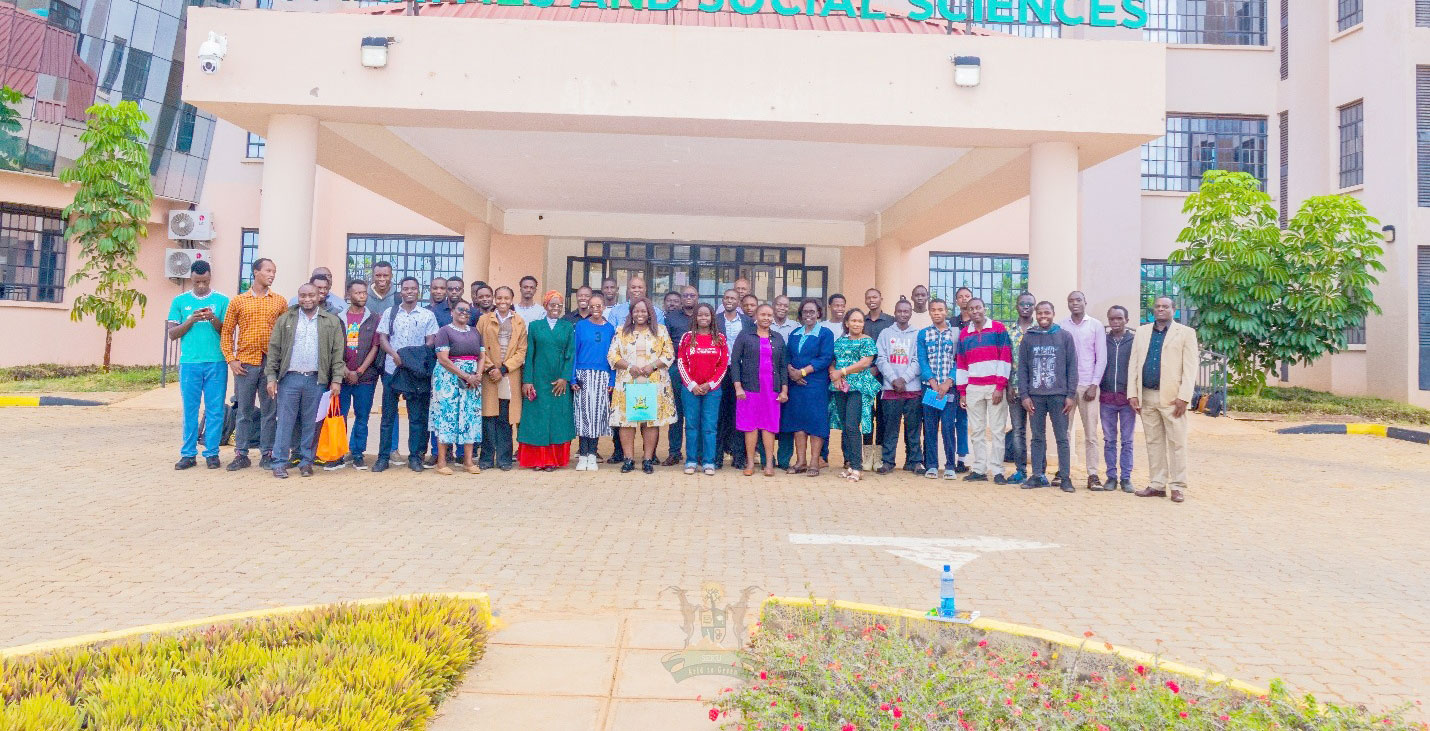
South Eastern Kenya University (SEKU) has successfully concluded a two-day Student Integrity Champions Training held in collaboration with the Ethics and Anti-Corruption Commission (EACC).
The training, launched by rh academic registrar Prof. Peter Njuru, brought together SEKU students for a series of engaging and interactive sessions, aimed at strengthening their understanding of integrity, ethical conduct, accountability and responsible citizenship.
Through discussions, presentations and participatory activities, students explored the importance of ethical decision-making, accountability and transparency in leadership and everyday life. The sessions also encouraged participants to reflect on their role in creating an environment where integrity is valued and unethical practices are challenged.
The training provided an important platform for students to appreciate the role they can play as Integrity Champions in promoting positive values among their peers and contributing to a culture of honesty, responsibility and accountability.
It also emphasized that the fight against corruption requires the active participation of every member of society, particularly young people who represent an important generation of future leaders.
By empowering students with knowledge and practical skills, the training seeks to inspire them to become ambassadors of ethical conduct and to uphold integrity in their academic, professional and personal lives.
The collaboration between SEKU and EACC underscores the University's commitment to supporting initiatives that promote ethical leadership, good governance and responsible citizenship among students.
As the training came to a close, participants were encouraged to put the knowledge gained into practice and to serve as positive examples within the University community and in society.
SEKU remains committed to nurturing a university community founded on integrity, transparency, accountability and ethical leadership.
Together, we champion integrity. Together, we build a better future.
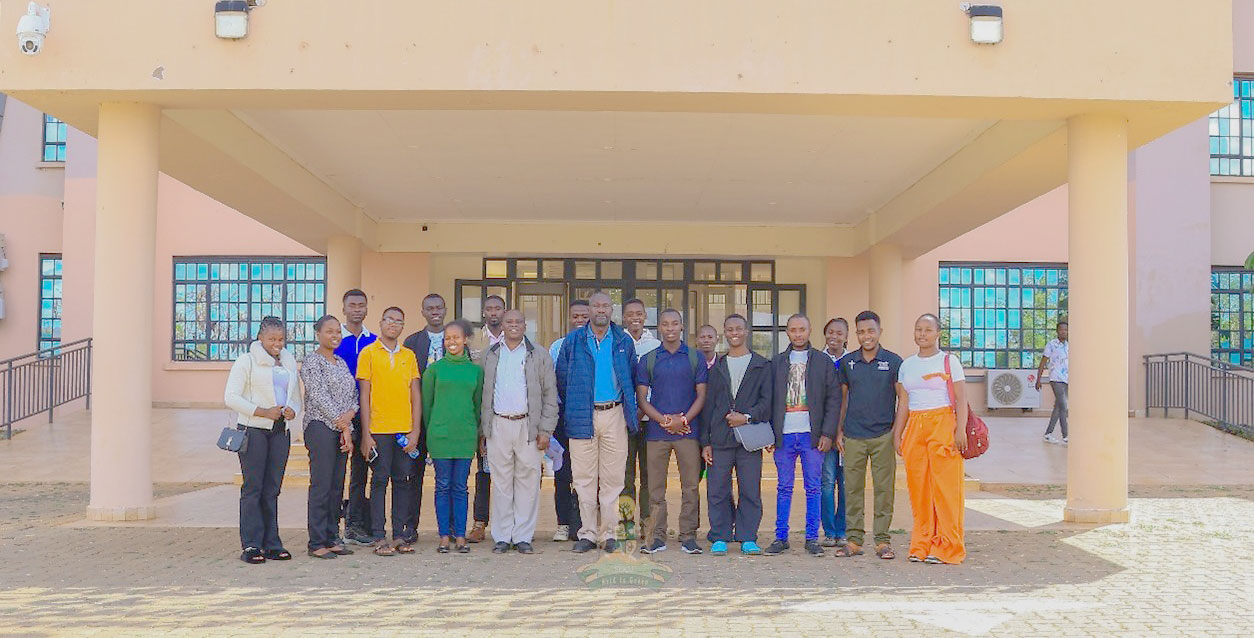
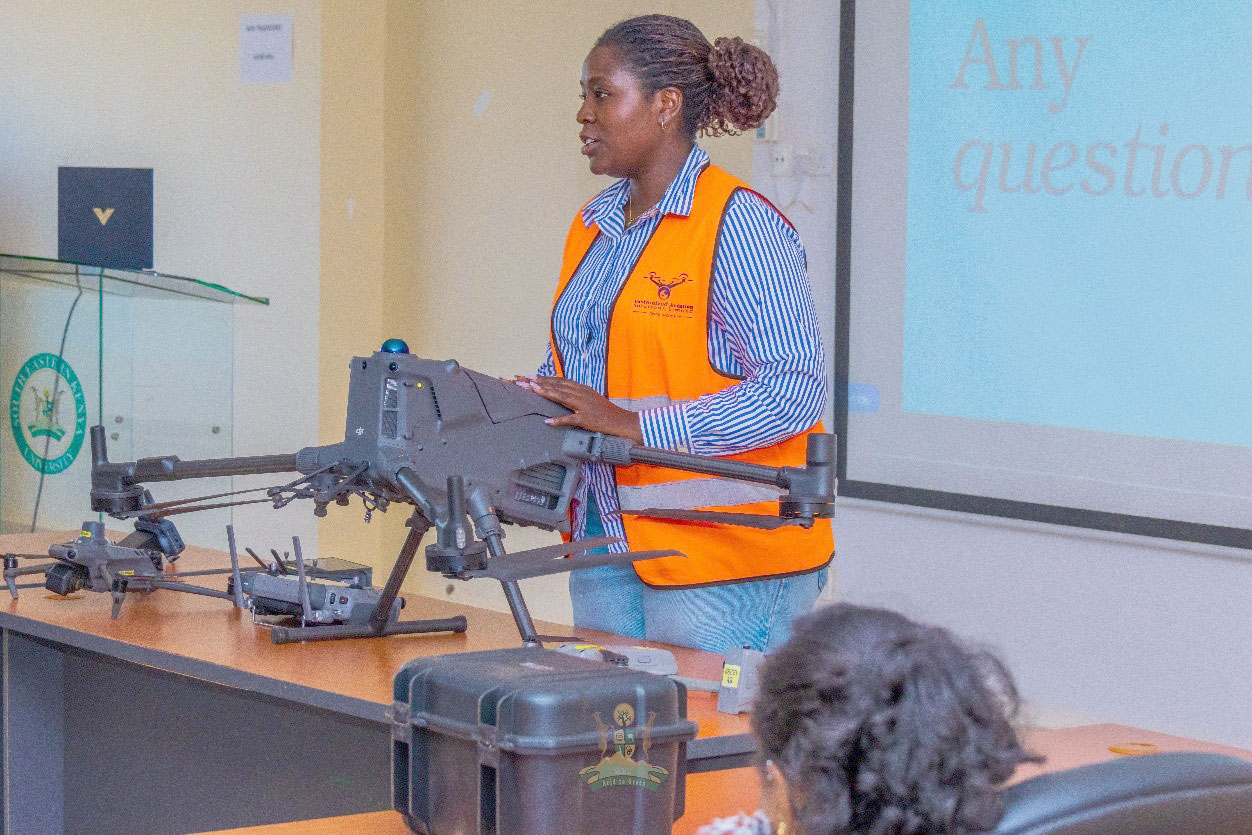
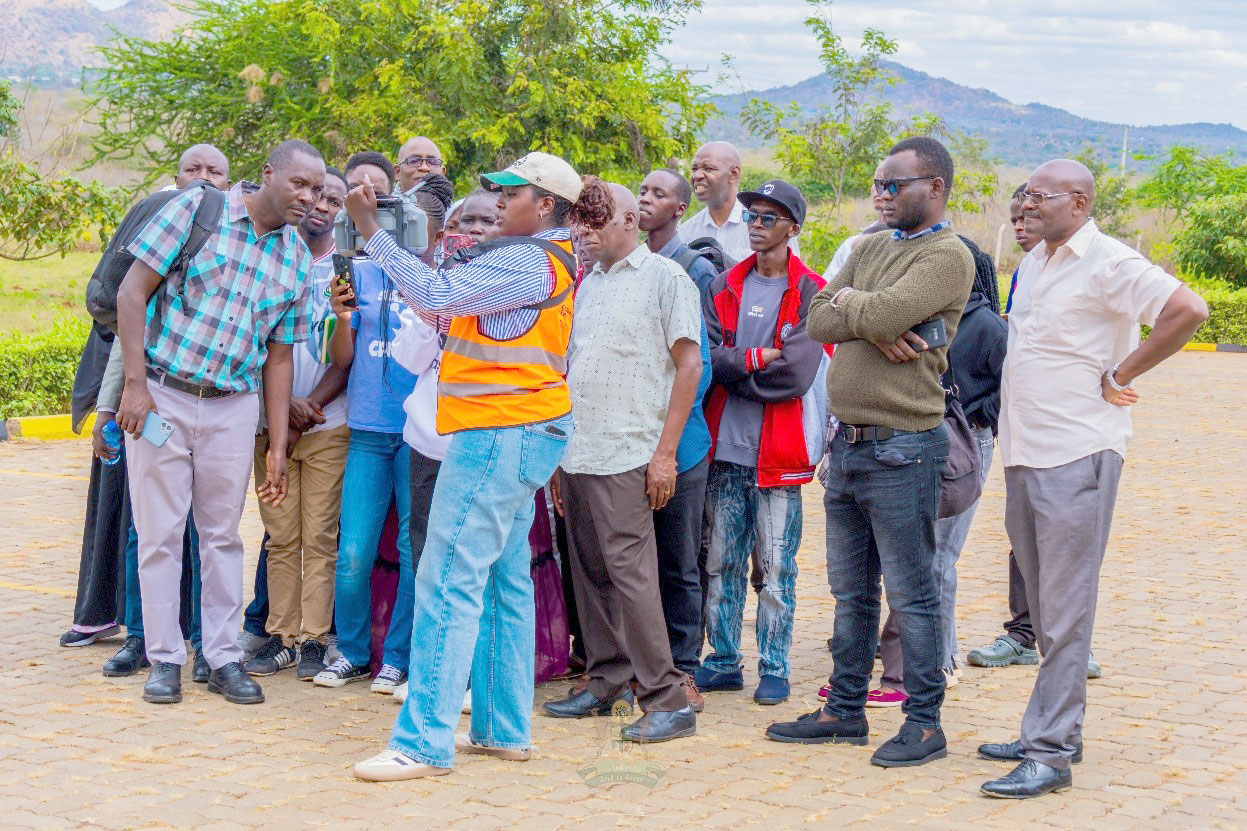
South Eastern Kenya University (SEKU) today hosted a training on drone technology and its applications in spatial mapping, development planning and natural resources management, bringing together staff and students to explore the growing potential of unmanned aerial systems in addressing contemporary development and environmental challenges.
The training was organised by the School of Agriculture, Environment, Water & Natural Resources in collaboration with Customized Aviation Solutions Limited to provide participants with an opportunity to gain insights into the rapidly evolving field of drone technology and its practical applications across different sectors. Discussions and demonstrations focused on how drones are increasingly being used to collect accurate and timely spatial data, support decision-making, improve efficiency and enhance the management of natural and physical resources.
Participants were introduced to the application of drone technology in agriculture, surveying and mapping, environmental monitoring, research, development planning and sustainable natural resource management. The technology offers significant opportunities for capturing high-resolution aerial imagery and spatial information that can support planning, monitoring and evaluation of projects and programmes.
In agriculture, drones can support crop monitoring, assessment of crop health, mapping of agricultural land and identification of areas requiring intervention. In environmental management, drone-enabled aerial surveys can facilitate monitoring of vegetation, water resources, land degradation and other ecological changes. Similarly, in surveying and development planning, drone-generated spatial data can enhance land-use planning, infrastructure development and mapping of physical features.
The training also highlighted the growing role of drone technology in research and innovation, particularly in generating reliable spatial data for evidence-based decision-making. For students and researchers, exposure to such technologies provides an opportunity to bridge theoretical knowledge with practical applications while developing skills that are increasingly relevant in the modern workplace.
Beyond the technical applications, participants were also exposed to emerging career, entrepreneurship and innovation opportunities within the drone technology sector. As the use of drones continues to expand across industries, professionals with competencies in drone operations, data acquisition, geospatial analysis, remote sensing and related technologies are increasingly positioned to contribute to innovative solutions in both public and private sectors.
The training further demonstrates SEKU's commitment to promoting innovation, technology transfer and industry-relevant skills as part of its mandate in teaching, research, innovation and community engagement. By embracing emerging technologies such as drones and spatial intelligence, the University continues to provide an enabling environment for students and staff to develop solutions to real-world challenges facing communities and industries.
As drone technology continues to evolve, its integration into education, research and development planning presents new opportunities for SEKU to strengthen its contribution to sustainable development, environmental conservation and evidence-based planning in the regionand beyond.
SOUTH EASTERN KENYA UNIVERSITY
OFFICE OF THE ACADEMIC REGISTRAR
13TH GRADUATION CEREMONY TO BE HELD ON FRIDAY, 30TH OCTOBER 2026 AT THE MAIN CAMPUS (KWA-VONZA-KITUI) STARTING AT 9.00 A.M.
CONFIRMATION OF ORDER OF NAMES
The names of graduands will be posted on the University website www.seku.ac.ke in the following order: First name, Middle name(s), Surname. The graduands are required to confirm the names and send correction if any to the University Examinations Office at
Note: Graduands are advised not to introduce names other than those used during admission to the University.
REHEARSAL
All graduands are required to attend the rehearsal at the Graduation Pavilion at 10.00 a.m. on Thursday 29th October, 2026 dressed in full graduation attire. The graduands should be seated by 9.30 a.m.
GRADUATION FEES AND ACADEMIC ATTIRE
The academic attire will be issued to graduands from 26th to 28th October, 2026, between 9.00 a.m. and 4.00 p.m. at the respective Deans'/Campus Offices, upon producing a receipt of payment of the graduation fee as follows:
| Graduation fee (Kshs) | Alumni Registration fee (Kshs) | Total payable (Kshs) | |
|---|---|---|---|
| Certificate | 5,500 | 1,000 | 6,500 |
| Diploma | 5,500 | 1,000 | 6,500 |
| Undergraduate | 6,000 | 1,000 | 7,000 |
| Masters | 7,000 | 1,000 | 8,000 |
| Doctorate | 8,000 | 1,000 | 9,000 |
The academic attire must be returned by 13th November, 2026, failure to which it shall attract a penalty fee of Kshs 500.00 per day.
PUNCTUALITY ON GRADUATION DAY
All graduands, parents/guardians and guests should be seated by 7.30 a.m.
PAYMENTS
Payments should be done through any one of the following:
- National Bank, SEKU Branch, A/c. 7700157839
- Equity Bank, Kitui Branch, A/c. 0720295920757
- ABSA Bank, Kitui Branch, A/c. 2021558152
- Co-operative Bank, Kitui Branch, A/c. 01129300544600
- Family Bank, Kitui Branch, A/c. 072000038445
- KCB, Kitui Branch, A/c. 1127693166
For any inquiries please contact Academic Registrar at
ACADEMIC REGISTRAR
ACADEMIC REGISTRAR
South Eastern Kenya University (SEKU) is pleased to announce Work-Study Opportunities for continuing students. The program provides students with the chance to earn while gaining valuable work experience within various university departments.
Applicants must:
- Be registered continuing students at SEKU.
- Have a valid student ID.
- Demonstrate financial need.
- Be of good academic standing and discipline record.
Students will be placed in various departments, including but not limited to:
- Library Services
- Central Services
- University Farm
- Procurement
Interested students should submit the following to the Office of the Director, Human Resource Management:
- A written application letter indicating preferred area of placement.
- A copy of their student ID.
- A recommendation letter from their School/Faculty Dean.
Deadline for Applications: 16th October, 2025.
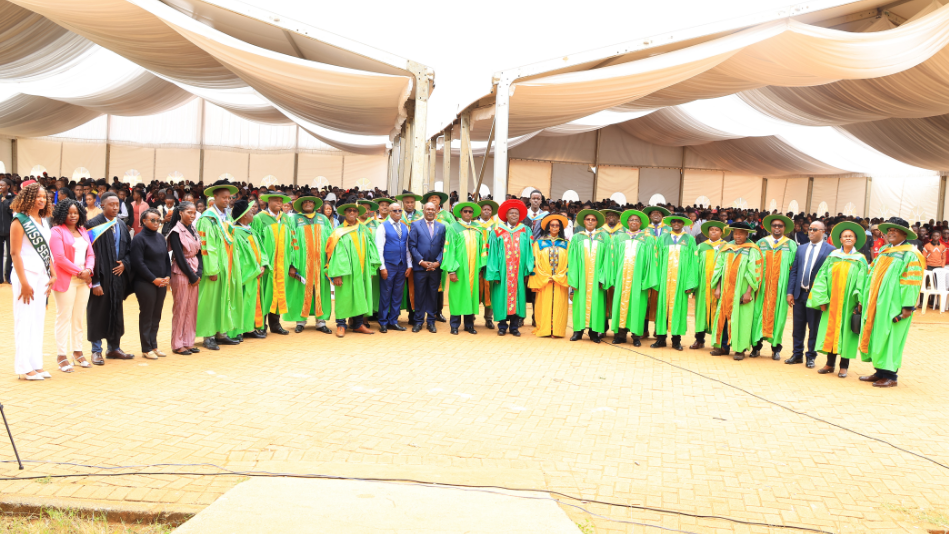
South Eastern Kenya University (SEKU) is preparing to celebrate another important milestone in its academic calendar as the University gets ready for its 13th Graduation Ceremony on 30th October, 2026.
The ceremony will bring together graduands, their parents and guardians, University management, members of staff, alumni and other distinguished guests to celebrate the successful completion of academic programmes at the University.
According to the University, the 13th Graduation Ceremony is being planned for students who will have completed their studies by 31 August 2026.
The preparations have entered an important stage, with the University publishing the Provisional Graduation List for graduands to verify their details. A second provisional list was also published on 24 September 2026, giving graduands an opportunity to confirm their eligibility and ensure that their details are correctly captured ahead of the ceremony.
The 2026 graduation will mark another significant chapter in SEKU's journey of providing quality university education, research and innovation. The University offers programmes across a wide range of disciplines, including Agriculture, Environment and Natural Resources, Business and Economics, Education, Engineering and Technology, Health Sciences, Humanities and Social Sciences, Law, Science and Computing, as well as Technical and Vocational Education and Training.
The occasion will also provide an opportunity to celebrate the achievements of students who have successfully completed their academic journeys and are now prepared to contribute their knowledge, skills and expertise to society.
The 13th Graduation Ceremony is expected to be a celebration of academic excellence, resilience and determination. It will also reaffirm the University's commitment to producing graduates equipped to respond to emerging challenges through knowledge, innovation and service to society.
As the University finalizes preparations for the 2026 ceremony, graduands are encouraged to regularly check official SEKU communication channels for updates concerning the final graduation list, graduation programme, gown collection, rehearsal, venue and other important arrangements.
Congratulations class of 2026!
South Eastern Kenya University (SEKU) under the Division of academics research and innovation led by the Prof. Harisson Maithya officially welcomed its new cohort of students during a colourful matriculation ceremony, marking the beginning of their academic journey at the University.
The ceremony brought together newly admitted students, members of the University management, faculty and staff, student leaders, parents and distinguished guests from various education and professional institutions.
The event was graced by the Chief Executive Officer of the Kenya Universities and Colleges Central Placement Service (KUCCPS), who was the Chief Guest and was represented by Ms. Christine Mwaka. The ceremony also brought together representatives from the Kenya Accountants and Secretaries National Examinations Board (KASNEB) and the Higher Education Loans Board (HELB).
The presence of the representatives from KUCCPS, KASNEB and HELB highlighted the importance of collaboration among higher education institutions and key national agencies in supporting students throughout their academic and professional journeys.
In her remarks as the representative of the KUCCPS Chief Executive Officer, Ms. Christine Mwaka encouraged the newly admitted students to embrace their university experience with commitment, discipline and a strong sense of purpose. She urged the students to take advantage of the opportunities available to them and remain focused on achieving their academic and career aspirations.
Representatives from KASNEB and HELB also shared valuable insights with the students, highlighting opportunities available through their respective institutions. The students were encouraged to explore professional development pathways, financial support programmes and other services designed to facilitate their success in higher education.
Speaking during the ceremony, Vice-Chancellor prof. Douglass Shitanda the new students for choosing SEKU as their institution of higher learning and encouraged them to make the most of the opportunities available at the University. Students were urged to remain focused on their studies, uphold discipline and embrace the University's values of integrity, innovation, excellence and responsible citizenship.
The matriculation ceremony also highlighted the important role of students in contributing to the University's academic and social community. New students were encouraged to participate actively in academic programmes, research, innovation, student activities, sports and other initiatives that support holistic development.
The Vice-Chancellor emphasized that success at university requires commitment, effective time management, respect for others and adherence to the University's rules and regulations. The students were reminded that their time at SEKU should equip them with not only academic knowledge but also the skills, values and experiences necessary to make a positive contribution to society.
For the newly admitted students, the ceremony marked more than just their formal admission into the University. It represented the beginning of a new chapter filled with opportunities to learn, grow, build lasting relationships and prepare for meaningful careers.
As they begin their studies at SEKU, the new students join a growing community committed to knowledge creation, innovation and sustainable development. The University looks forward to supporting them as they pursue their academic and professional aspirations.
SEKU warmly welcomes the new students and wishes them a successful, fulfilling and transformative university experience.
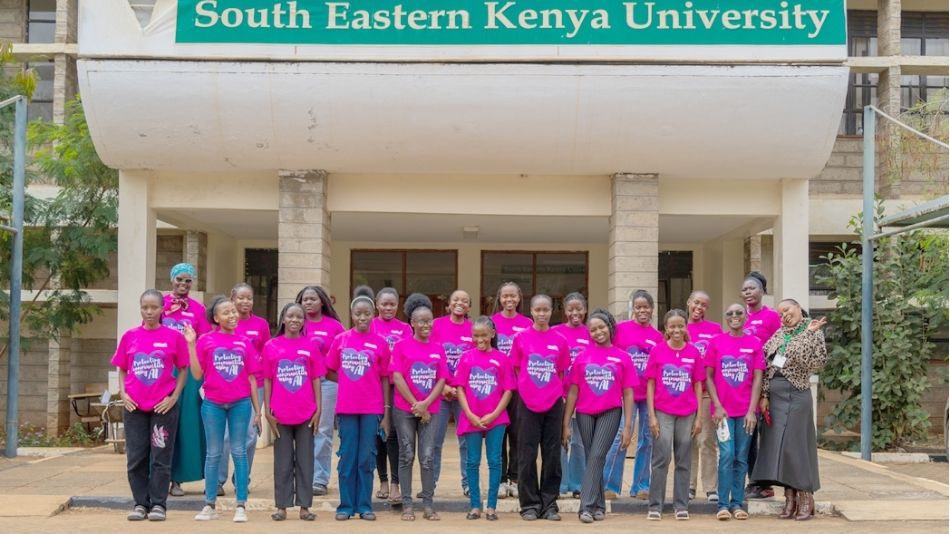
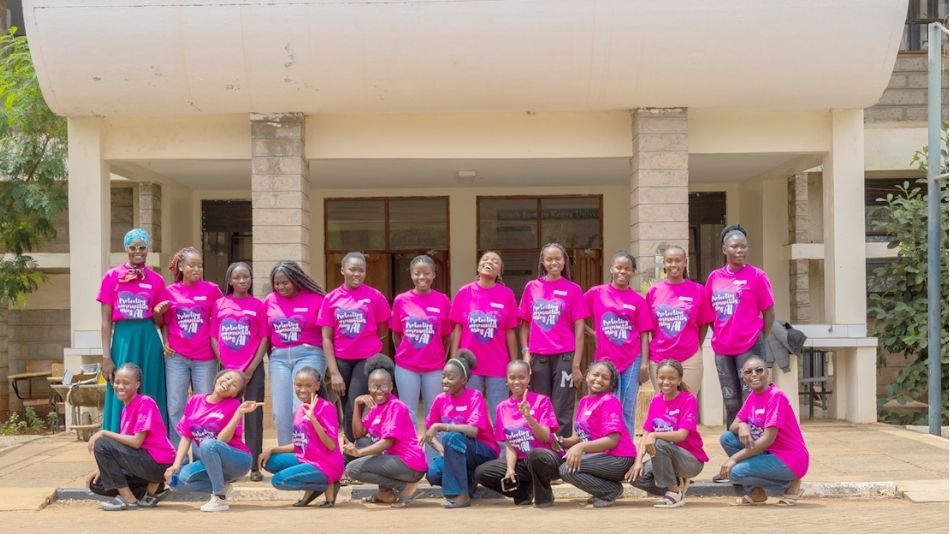
South Eastern Kenya University (SEKU)in partnership with University of Nairobi, University of California San Francisco and Takeda advancing women’s participation in STEM through the ENGAGE Project (Enabling Girls in AI and Growing Expertise), Tier 2 & 3 Cohort III. The programme equips talented young women but less privileged with practical skills in Artificial Intelligence (AI), Data Science, and Machine Learning.
The training focuses on using technology to address real-world challenges, particularly in public health and other community needs. Through hands-on projects, participants develop skills in problem-solving, teamwork, data analysis, communication, and innovation.
ENGAGE also provides mentorship and networking opportunities, connecting participants with experienced researchers, trainers, and professionals in STEM. This helps build confidence and encourages more young women to pursue careers in technology, research, entrepreneurship, and innovation.
Each ENGAGE cohort contributes to a growing community of women in STEM. This supportive network provides mentorship, collaboration, and encouragement while helping participants navigate careers in traditionally underrepresented fields such as AI and Data Science.
As Cohort III progresses, SEKU looks forward to the innovative solutions and ideas that will emerge. Through ENGAGE, the University continues to empower young women with the skills, confidence, and opportunities needed to shape the future of AI, Data Science, and STEM.
- News and Events
SEKU Receives Scientific and Computing Equipment to Strengthen UNESCO-TWAS Funded Breast Cancer Research
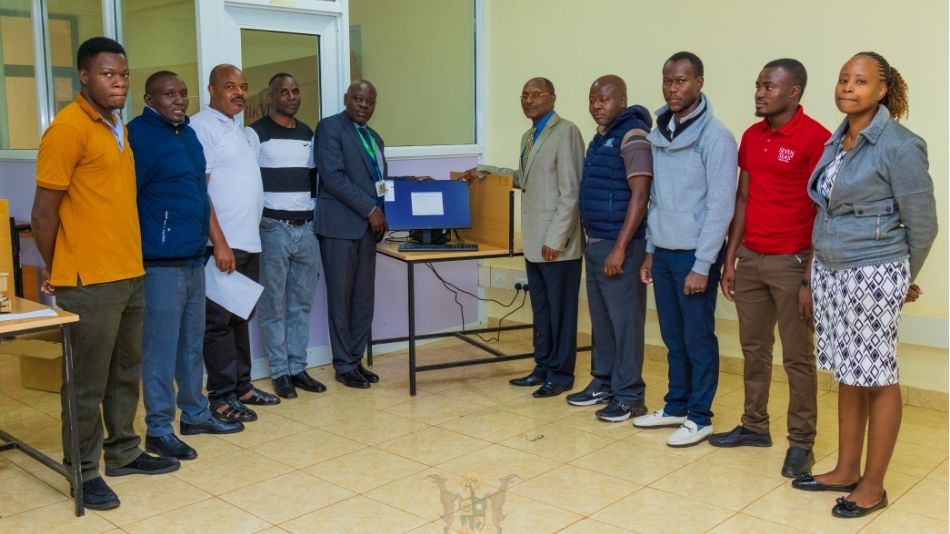
South Eastern Kenya University (SEKU) has taken a significant step towards strengthening its research and computational capacity following the delivery of scientific and computing equipment for a UNESCO-TWAS funded research project focused on breast cancer treatment and patients’ quality of life.
The equipment marks an important milestone in the implementation of the project, “Modelling the Effect of Breast Cancer Treatment Options on Quality of Life of Patients in Tertiary Hospitals in Kenya.” The new research infrastructure will enhance the capacity of the multidisciplinary research team to undertake mathematical and statistical modelling, stochastic simulations, data analysis and visualisation.
The delivery was witnessed by University Management led by Prof. Eng. Douglas Shitanda, Vice Chancellor, and Prof. Harrison Maithya, Deputy Vice Chancellor (Academic, Research and Innovation). Also present were Dr. Mugambi Linturi, Dean, School of Science and Computing; Dr. Cyprian Sakwa, Chairperson, Department of Mathematics and Actuarial Science; Mr. Joshua Mwema, Ag. Director, ICT; Dr. Joel Ngesa, the project’s Mathematical Modelling and Simulation Lead; and members of the ICT Directorate led by Ms. Lilian Nzioki.
The equipment will provide essential computational infrastructure for the research team as it works to generate locally relevant evidence on the effects of different breast cancer treatment options on patients’ quality of life. It will also facilitate the development of computational simulations aimed at estimating treatment costs, supporting evidence-based approaches to healthcare planning and decision-making.
The project brings together expertise from several disciplines, including nursing, public health, pure mathematics, applied mathematics, mathematical modelling, stochastic modelling and computational simulation. This multidisciplinary approach reflects SEKU’s commitment to leveraging research and innovation to address complex health and societal challenges affecting communities in Kenya.
The project is led by Prof. David Mumo Malonza, Professor of Pure Mathematics in the Department of Mathematics and Actuarial Science and Director, SEKU Kitui Campus. He is supported by Dr. Catherine Syombua Mwenda, Dr. Francicah Mumbua Mwangangi, Dr. Stanley Odhiambo Sewe and Dr. Joel Ngesa, who contribute complementary expertise across health sciences, public health, mathematical modelling and simulation.
The USD 42,000 UNESCO-TWAS Research Grant supports approved research activities, including the acquisition of scientific equipment and supplies, MSc research, conference participation and open-access publication. Beyond supporting the immediate research project, the grant represents an important investment in SEKU’s research ecosystem by strengthening infrastructure, promoting multidisciplinary collaboration and supporting postgraduate research training.
Through the project, SEKU is further advancing the application of mathematical and computational sciences to real-world healthcare challenges. The integration of health sciences with mathematical modelling and computational simulation is expected to contribute to the generation of evidence that can inform understanding of treatment outcomes, quality of life and healthcare costs among breast cancer patients in Kenya.
The delivery of the equipment therefore represents more than an addition to the University’s research facilities. It is a key step towards building sustainable research capacity, fostering interdisciplinary innovation and positioning SEKU to contribute meaningful, locally relevant evidence to the improvement of healthcare outcomes.
- News and Events
SEKU Joins €5.96 Million Horizon Europe Project to Advance AI-Driven Flood Readiness
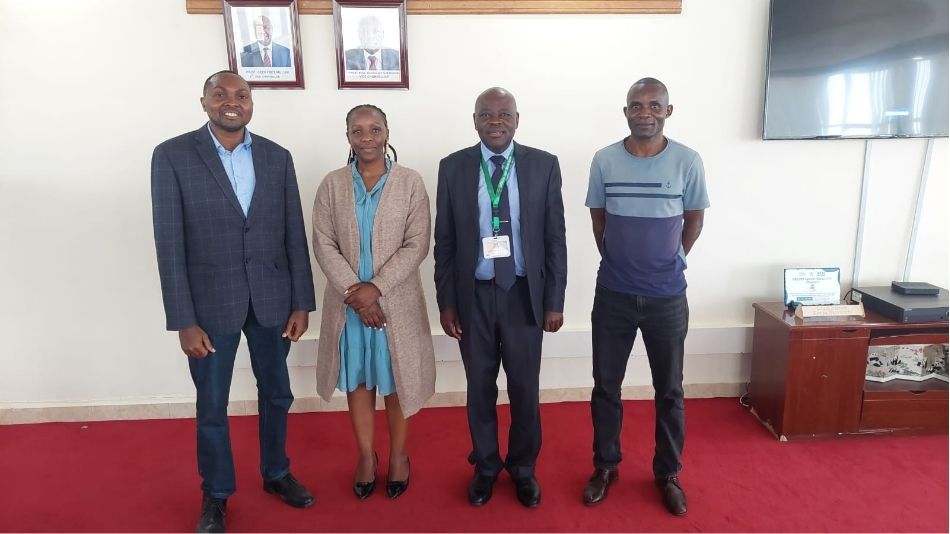
South Eastern Kenya University (SEKU) has achieved another significant milestone in international research and innovation after becoming a partner in the TWIN4READY project, a prestigious Horizon Europe initiative funded by the European Commission. The collaborative project, titled "Urban Digital Twins for Flood Readiness," brings together 22 leading institutions from Europe and Kenya to develop cutting-edge digital technologies that strengthen flood preparedness and climate resilience.
At SEKU, the project is being led by Dr. Joel Ngesa, who serves as the Principal Investigator (PI). He is supported by Dr. Kezia Mbuthia and Prof. Mark Eric Kimathi, who are serving as Co-Principal Investigators (Co-PIs). Their leadership reflects the University's strong research capacity and commitment to delivering innovative solutions to global environmental challenges.
The 36-month project has a total budget of €5.96 million, with SEKU receiving €120,000 to contribute to the implementation of the initiative. The University is the only Kenyan institution participating in the consortium, underscoring its growing reputation as a leading centre for research and innovation addressing global challenges.
TWIN4READY seeks to transform how communities prepare for and respond to flood disasters by developing an Artificial Intelligence (AI)-powered Local Digital Twin framework. The innovative platform will integrate satellite data, Internet of Things (IoT) sensors, citizen observations, advanced hydrological models, and explainable AI to provide real-time, building-scale flood predictions and decision-support tools for municipalities and emergency response agencies.
The project has been designed to bridge the gap between continental early warning systems and practical local decision-making by enabling authorities to anticipate flood risks, assess socio-economic impacts, and coordinate timely emergency responses. The system will also be fully interoperable with major European digital initiatives, including Destination Earth (DestinE), CitiVERSE, and Open Geospatial Consortium (OGC) standards.
The proposal received an outstanding overall score of 14.5 out of 15 during the Horizon Europe evaluation process, surpassing the funding threshold. Evaluators praised the project's ambitious objectives, innovative integration of hybrid physics-based and AI-driven flood modelling, comprehensive implementation strategy, strong impact pathways, and commitment to open science and international collaboration.
SEKU's participation in the project reflects the University's commitment to advancing research that addresses climate change, disaster risk reduction, environmental sustainability, and digital transformation. Through collaboration with internationally renowned universities, research institutes, technology organizations, and public agencies, SEKU researchers will contribute to developing innovative solutions with both regional and global impact.
The University's involvement in TWIN4READY further strengthens its international research portfolio and aligns with its strategic vision of fostering interdisciplinary research, promoting global partnerships, and generating knowledge that contributes to sustainable development and resilient communities.
As climate-related disasters continue to increase worldwide, SEKU remains committed to developing practical, technology-driven solutions that enhance resilience, support evidence-based decision-making, and improve the well-being of communities in Kenya, Africa, and beyond.
South Eastern Kenya University (SEKU) led by the acting Vice-Chancellor Prof.Harisson Maithya has reaffirmed its commitment to environmental conservation and sustainable landscape restoration with the successful relaunch of Phase I of the 9 KM Green Avenue Enhancement Programme at the University's Main Campus.
The initiative is being implemented in partnership with Hearts of Green Organization, the Wangari Maathai Institute for Peace and Environmental Studies at the University of Nairobi, and with the generous support of Pioneer General Insurance Limited under the Landscape Repair and Transformation (LANSRET) initiative.
The Green Avenue Enhancement Programme is a flagship environmental restoration initiative aimed at transforming the University's landscape while promoting biodiversity, climate resilience, and sustainable environmental management. The programme aligns with SEKU's commitment to supporting national and global efforts to combat climate change through innovative partnerships, research, and community engagement.
Speaking during the relaunch, University officials emphasized that the initiative goes beyond planting trees. It represents a shared vision of restoring ecosystems, enhancing green spaces, and fostering environmental stewardship among students, staff, and the wider community.
Through strategic collaborations with like-minded institutions and organizations, SEKU continues to position itself as a leader in environmental sustainability, contributing to Kenya's climate action agenda and the achievement of the Sustainable Development Goals (SDGs), particularly those focused on climate action, life on land, and sustainable communities.
The relaunch marks another significant milestone in the University's journey towards creating a greener and more resilient campus. As Phase I progresses, every tree planted will stand as a symbol of hope, resilience, and a collective commitment to safeguarding the environment for present and future generations.
SEKU remains dedicated to nurturing partnerships that promote sustainable development and inspire meaningful environmental action, reaffirming its vision of becoming a centre of excellence in teaching, research, innovation, and community service while championing environmental conservation.
- News and Events
SEKU Successfully Hosts Lower Eastern Agribusiness Expo to Champion Climate-Smart Agriculture
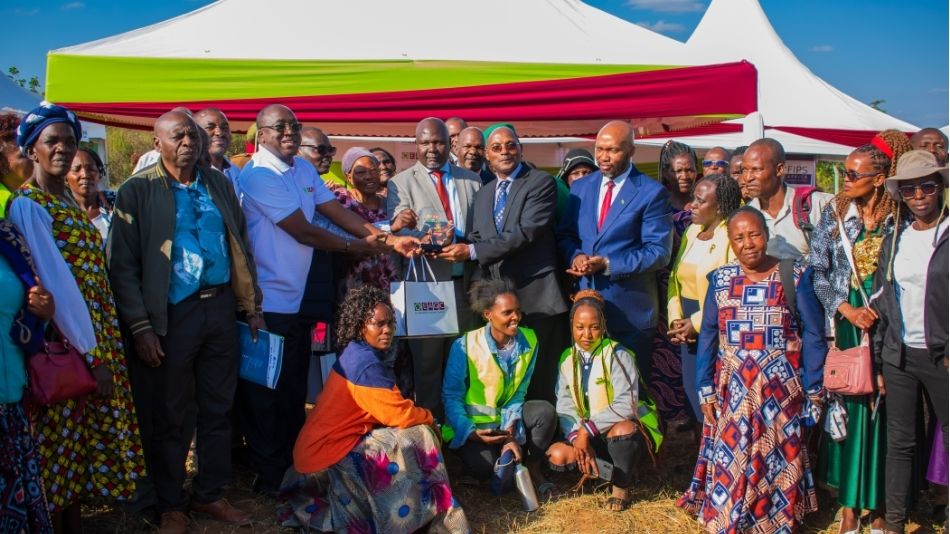
South Eastern Kenya University (SEKU), in partnership with the Eastern Africa Grain Council (EAGC), AGRA and the County Government of Kitui, successfully hosted the Lower Eastern Region Agribusiness Expo on 30th July 2026, at the University's Main Campus in Kwa Vonza. The Expo brought together thousands of farmers, researchers, policymakers, development partners, agribusiness enterprises, students, financial institutions and agricultural technology providers in a shared commitment to advancing sustainable food systems.
Held under the theme "Climate-Smart Technologies and Practices for Sustainable Food Systems," the Expo provided a vibrant platform for knowledge exchange, innovation, networking and business linkages aimed at strengthening agricultural productivity and resilience in Kenya's arid and semi-arid regi
The event was o presided over by the Deputy Governor of Kitui County, H.E. Kanani on behalf of the Governor, who commended the partnership between SEKU, EAGC and other stakeholders for creating opportunities that empower farmers through innovation, technology and market access. He underscored the importance of adopting climate-smart agricultural practices to enhance food security, improve livelihoods and build resilient farming communities in the face of climate change.
Speaking during the opening ceremony, SEKU Vice-Chancellor represented by the DVC Academic Reserch and Innovaton Prof. Harrisson Maitya reaffirmed the University's commitment to driving agricultural transformation through research, innovation and community engagement. He noted that as a university located within Kenya's drylands, SEKU continues to develop practical solutions that address challenges facing farmers while promoting sustainable agricultural production.
The Vice-Chancellor emphasized that partnerships between academia, government, the private sector and development partners are essential in translating research into practical technologies that improve productivity and create economic opportunities for farming communities.
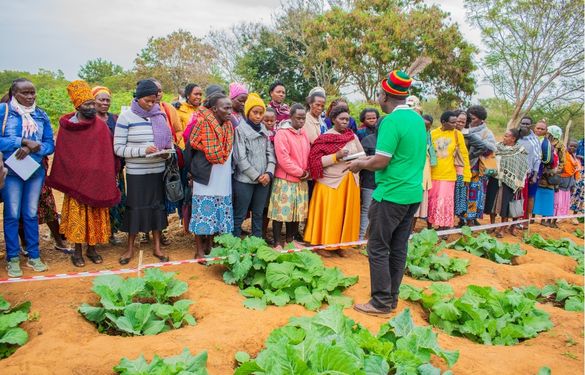
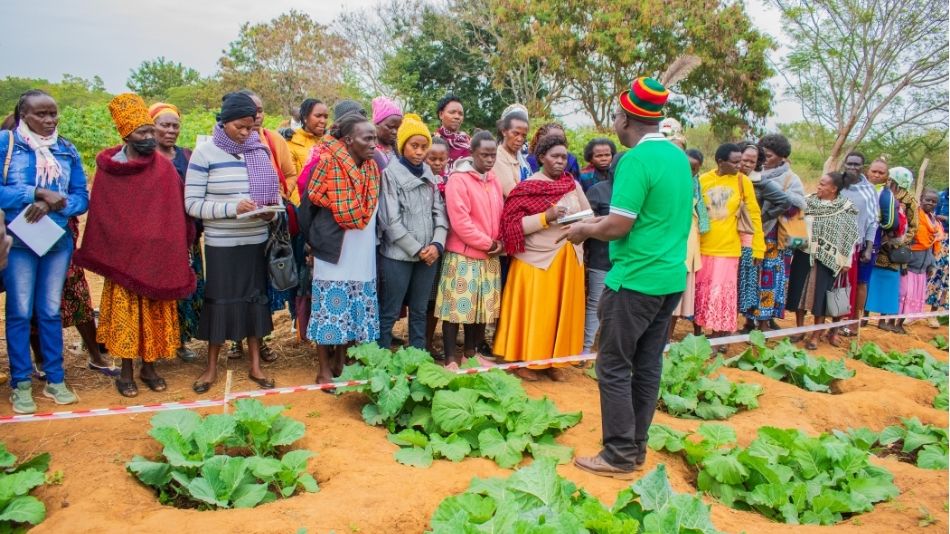
The Expo featured exhibitions from more than 30 organizations showcasing climate-smart agricultural technologies, improved seed varieties, irrigation systems, mechanization solutions, post-harvest technologies, financial services and digital innovations for agriculture. Farmers interacted directly with exhibitors, gaining hands-on experience through live demonstrations and receiving expert advice on improving productivity and reducing post-harvest losses.
One of the key highlights of the event was the Business-to-Business (B2B) market linkage sessions that connected farmers with grain buyers, aggregators and processors, creating opportunities for structured marketing and improved incomes. Through the AGRA-funded RE-GAIN Programme, farmers also accessed subsidized food loss reduction technologies, including hermetic storage bags, silos, tarpaulins and other post-harvest management solutions designed to minimize losses and enhance grain quality.
Participants attended technical presentations and interactive sessions on climate-smart farming, sustainable land management, value addition, agribusiness financing, market opportunities and innovative technologies that can increase agricultural resilience while improving household incomes.
The successful Expo reaffirmed SEKU's growing role as a regional centre of excellence in agricultural research, innovation and technology transfer. Through strategic collaborations with organizations such as the Eastern Africa Grain Council and the County Government of Kitui, the University continues to bridge research, education and industry while supporting national efforts to achieve food security, climate resilience and sustainable economic development.
South Eastern Kenya University (SEKU) invites applications from suitably qualified candidates for the August/September 2026 Intake. Applications are now open for Postgraduate, Undergraduate, Diploma and Certificate Programmes offered across our campuses.
Study at a premier university committed to excellence in teaching, research, innovation and community service. SEKU provides a dynamic learning environment, experienced faculty, modern facilities and flexible study options to prepare graduates for successful careers and lifelong learning.
Why Choose SEKU?
- Quality academic programmes
- Experienced and dedicated lecturers
- Modern learning and research facilities
- Flexible study options (Weekday, Evening & Saturday)
- TVETA Accredited Diploma & Certificate Programmes
- Multiple campuses for convenient learning
For the complete list of programmes, entry requirements, application procedures and application fees, download the official August/September 2026 Intake advertisement below.
- News and Events
SEKU to Host Agribusiness Expo in Partnership with the Eastern Africa Grain Council and Kitui County Government
South Eastern Kenya University (SEKU), in partnership with the Eastern Africa Grain Council (EAGC) and the County Government of Kitui, is set to host a major Agribusiness Expo on Thursday, 30th July 2026, at the University's Main Campus in Kwa Vonza.
The Expo, themed "climate smart technologies and practices for sustainable food security" will bring together policymakers, researchers, development partners, agribusiness enterprises, farmers, financial institutions, students, and innovators to explore practical solutions for strengthening food systems and promoting sustainable agricultural development.
The event will be graced by the Governor of Kitui County, H.E. Dr. Julius Malombe, EGH, His presence underscores the County Government's commitment to advancing agriculture as a key driver of economic growth, food security, and employment creation.
The Agribusiness Expo will provide a unique platform for knowledge exchange, networking, and showcasing innovations that are transforming the agricultural value chain. Participants will have an opportunity to interact with experts, exhibitors, and industry leaders on emerging technologies, climate-smart agriculture, value addition, access to markets, financing opportunities, and youth engagement in agribusiness.
As a university located in Kenya's Arid and Semi-Arid Lands (ASALs), SEKU continues to champion research and innovation aimed at addressing the unique agricultural challenges facing the region. Through strategic partnerships with organizations such as the Eastern Africa Grain Council and the County Government of Kitui, the University is promoting sustainable agricultural practices that improve productivity, enhance resilience, and create economic opportunities for farming communities.
The Eastern Africa Grain Council, a regional membership-based organization, has been instrumental in strengthening grain trade, improving market systems, and promoting food security across Eastern Africa. Its collaboration with SEKU and the County Government of Kitui demonstrates the importance of multi-stakeholder partnerships in transforming agriculture into a profitable and sustainable enterprise.
SEKU invites farmers, students, entrepreneurs, researchers, investors, policymakers, development partners, and members of the public to participate in this important event and contribute to shaping the future of agriculture in Kenya and the wider Eastern African region.
The Agribusiness Expo promises to be a landmark event that will foster innovation, strengthen partnerships, and accelerate the transformation of agriculture for sustainable economic development.
- News and Events
South Eastern Kenya University Recognized by Kenya Red Cross for Supporting the Power of Humanity Walk 2026
South Eastern Kenya University (SEKU) has earned an Award of Appreciation by the Kenya Red Cross for the valuable contribution by SEKU in supporting the Power of Humanity Walk 2026. This award is an indication of the efforts that SEKU has been making in terms of community engagement and partnerships that help make positive contributions to society.
This award is reflective of the University’s philosophy that higher learning is more than just about academic brilliance. As much as teaching, learning, and innovation are important aspects of the University’s agenda, SEKU attaches great value to the development of compassion, volunteerism, and social responsibility. Through its participation in various activities, the University is continuously showing how it can make a difference in people’s lives.
Power of Humanity Walk, an event that is coordinated by the Kenya Red Cross on an annual basis, sees a coming together of many individuals, entities, and organizations from all corners of the country in order to increase awareness about humanitarian issues and empower vulnerable communities. This event helps emphasize the fact that only when we work together and take collective responsibility will we be able to resolve the humanitarian issues and make a difference in the lives of those in need. By joining hands with the Kenya Red Cross and being part of their 2026 walk, SEKU demonstrated its commitment towards serving the community.
The association between South Eastern Kenya University and the Kenya Red Cross shows just how much collaboration can make a difference when it comes to bringing about a positive transformation in society. By associating itself with organizations that have the same vision as it does regarding sustainable development and empowering the people, SEKU is able to continue being an institution that takes responsibility and makes sure that it brings about a positive change.
Acceptance of this Certificate of Appreciation is not only going to be a recognition of what SEKU has been doing so far but will also be a motivating factor to continue putting efforts into such projects and initiatives that will improve the state of society. While the University works towards achieving its vision of transforming the lives of people through quality education, research, innovation and services, it remains fully dedicated to initiatives that include inclusiveness and compassion of sustainable community development. South Eastern Kenya University truly appreciates the Kenya Red Cross for this recognition.
11th Final Graduation List 2026
24 October 2026
2026/2027 Student Elections: Cleared SGC and ECR Candidates
19 October 2026
Candidate For Honorary Degree
14 October 2026
Postponement Of The Vice-chancellor's Pre-run Session – SEKU Red Ribbon Marathon 2026
14 October 2026
SEKUSA Elections 2026/2027
12 October 2026
Student Integrity Champions Training
08 October 2026
Unlocking the Future of Spatial Intelligence at SEKU
08 October 2026
13th Graduation Ceremony Notice
05 October 2026
Work-study Opportunities For Students
30 September 2026
SEKU Prepares for the 13th Graduation Ceremony
29 September 2026
SEKU Welcomes New Students at Matriculation Ceremony
04 September 2026
Teaching Timetables - 1st semester, 2026-2027
03 September 2026
